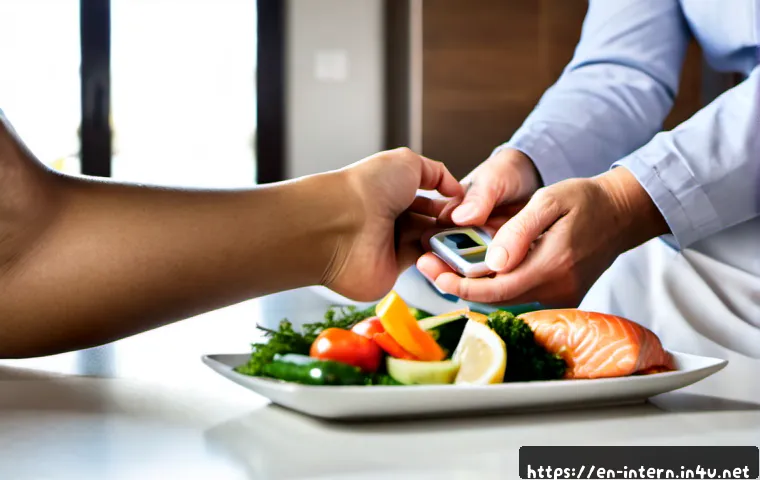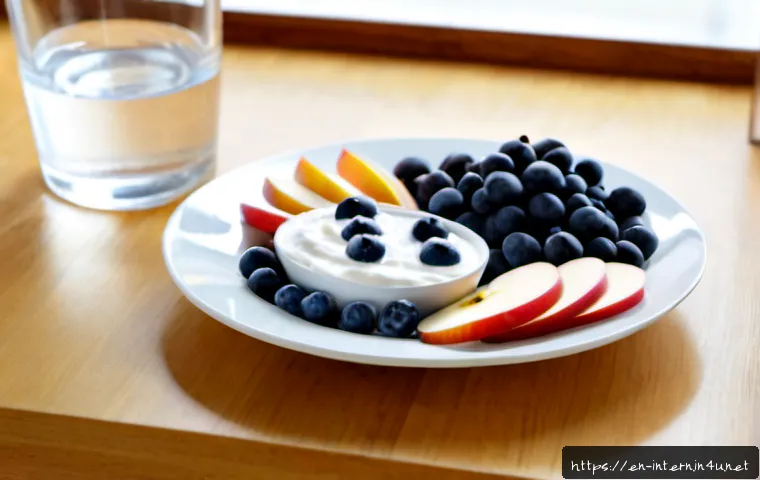
Diabetes-friendly snacks usually combine fiber, protein, or healthy fats with a modest amount of carbohydrate. Learn what to check on labels, how to compare store-bought options, and when a snack plan may need professional guidance.
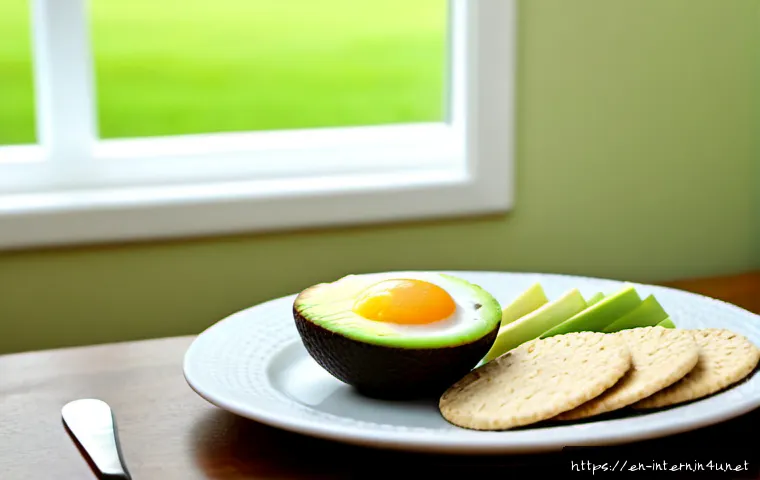
Diabetes-friendly snacks are usually easier to compare when they pair carbohydrate foods with fiber, protein, or unsaturated fats and fit the portion you plan to eat. The best packaged choice is not defined by a front-label claim; it is the one whose serving size, total carbohydrate, fiber, added sugars, and protein make sense for your own meal plan.
Convenient snacks can work for home, work, travel, and grocery delivery orders, but labels matter more than marketing terms such as “sugar-free,” “keto,” or “no added sugar.” Compare the serving size before comparing the price, especially with bars, trail mixes, yogurt, dried fruit, and multipacks.
A simple whole-food pairing may offer better value when you have time to prepare it. Ready-to-eat portions may be worth the extra cost when they help you stay organized during a busy week.
If you use insulin or certain glucose-lowering medicines, snack timing and carbohydrate needs may require personal guidance. A registered dietitian or diabetes care professional can help match snack choices to your medication, activity, glucose goals, and daily routine.
At a Glance
- Look beyond “sugar-free” claims and check serving size, total carbohydrate, fiber, added sugars, and protein.
- Fiber, protein, and unsaturated fats may make a carbohydrate-containing snack more filling and may slow digestion.
- Choose between whole foods, homemade portions, and packaged snacks based on convenience, label details, and price per serving.
| Snack approach | What to compare first | Portability | Typical value consideration |
|---|---|---|---|
| Whole-food combinations | Total carbohydrate in the carbohydrate food; the protein or fat pairing | Best for home or a planned outing | Can offer good value when you assemble portions yourself |
| Packaged snacks | Serving size, total carbohydrate, fiber, added sugars, protein | Often easiest for desks, bags, and travel | Convenience packs may cost more per serving |
| Homemade portions | Portion container size and ingredients used | Useful when prepared ahead | Can balance convenience with more control over ingredients |
The Short Answer: What Makes a Snack More Blood-Sugar Friendly?
Aim for a balanced combination, not a “perfect” single food
A useful starting point is a snack that combines a carbohydrate food with something that adds fiber, protein, or unsaturated fats. Carbohydrate-containing foods can affect blood glucose, but the response can vary by food type, portion size, medication, activity, and the individual.
For example, a crunchy option might pair a carbohydrate-containing food with nuts or seeds. A creamy option might combine yogurt with a higher-fiber ingredient, depending on the product label. A grab-and-go option could be a packaged snack with a clear serving size and label information you can compare.
There is no universal “best” diabetes snack. The practical goal is to choose something satisfying enough for the moment without relying only on a marketing label.
Why portions and total carbohydrates still matter
Total carbohydrate is a key number to review because foods with similar ingredients or claims can contain very different amounts per serving. A snack bag, bar, or cup may contain more than one serving, even if it appears to be a single portion.
Start by checking the serving size. Then review total carbohydrate, dietary fiber, added sugars, protein, and calories. This order makes it easier to compare two products fairly instead of choosing the one with the most appealing package.
Three quick examples: crunchy, creamy, and grab-and-go options
Crunchy: Consider a portioned combination that includes a carbohydrate food and a source of protein or unsaturated fat. Review trail mix labels carefully because dried fruit and sweetened ingredients can make carbohydrates more concentrated.
Creamy: Flavored yogurt can vary widely by product. Compare serving size, total carbohydrate, added sugars, and protein instead of assuming all yogurt cups are similar.
Grab-and-go: Snack bars can be convenient for commuting or travel, but compare the full Nutrition Facts panel. A bar with a low-sugar claim may still contain a carbohydrate amount that does not fit every meal plan.
Compare Snack Choices Before You Buy
Simple comparison table: whole foods, packaged snacks, and homemade portions
Whole foods and homemade portions can give you more control over ingredients and portion sizes. Packaged snacks can reduce preparation time and make it easier to keep options in a work drawer, car bag, or travel tote. Neither approach automatically wins.
Use packaged items when convenience helps you follow through. Use simple prepared combinations when value and ingredient control matter more. For a recurring grocery order, compare the same product category by price per serving, not just the package price.
How to read serving size, total carbohydrates, fiber, and added sugars
Use this quick label-reading sequence:
- Serving size: Is the amount you expect to eat equal to one listed serving?
- Total carbohydrate: Compare this number across similar snacks.
- Dietary fiber: Fiber may help make a snack more filling when paired with carbohydrate foods.
- Added sugars: Check this separately from total sugars when comparing flavored or sweet-tasting products.
- Protein: Consider whether the snack includes protein that may help it feel more satisfying.
Ingredients can add useful context, but the Nutrition Facts label is still the clearest place to compare products side by side.
Price per serving versus convenience: when multipacks may be worth it
Multipacks may be useful when they prevent last-minute choices during a busy week. They can also simplify grocery delivery and help with portion awareness if each item has a clearly labeled serving.
Still, compare the serving size before comparing the price. A larger package is not necessarily a better value if the product is difficult to portion or if the individual packages contain more than you intend to eat. Check the product page or store shelf label for serving details and price-per-serving information.
Smart Snack Ideas for Common Routines
Desk and commuting options that travel well
For a desk drawer or commute, prioritize snacks that are easy to carry and easy to identify by label. Packaged nuts or seeds, portioned snack combinations, and carefully compared snack bars may be practical choices. For any item with dried fruit, granola, or sweetened pieces, review total carbohydrate and added sugars before making it a routine purchase.
Keep the label visible when trying a new product. This makes it easier to compare it later with another option rather than relying on memory or front-of-pack wording.
Pairings for afternoon hunger and busy errand days
Afternoon hunger can make convenience especially important. A planned pairing may be more satisfying than a low-sugar item that leaves you searching for more food shortly afterward. Consider whether the snack includes a carbohydrate source plus fiber, protein, or unsaturated fat.
For errand days, a ready-to-eat snack may be worth the added cost if it prevents skipped meals or unplanned purchases. The better choice is the one you can carry, understand, and fit into your usual eating plan.

Evening snack considerations when you want something sweet or crunchy
Sweet or crunchy cravings do not have to be answered by a product labeled “diabetic-friendly.” Start with the same label checklist: serving size, total carbohydrate, fiber, added sugars, protein, and calories. Granola, flavored yogurt, trail mix, and dried fruit can be concentrated sources of carbohydrate depending on the product and portion.
If you prefer a packaged treat-like snack, choose based on the full panel rather than the claim on the front. A snack should also be satisfying enough for you; a very small or unsatisfying option can lead to additional eating.
Shopping Mistakes That Can Undercut a Good Choice
Trusting “sugar-free” or “natural” claims without checking the panel
“Sugar-free” does not automatically mean low in carbohydrates or appropriate for every diabetes meal plan. “Natural,” “keto,” and “no added sugar” also do not replace label review. These terms can be starting points for comparison, not final decisions.
Missing hidden portions in bags, bars, and single-serve-looking packs
A package can look like one snack while listing multiple servings. This is common enough to make serving size the first item to check every time. If you plan to eat the entire package, compare the nutrition information for the amount you will actually eat.
Choosing a low-sugar item that is not satisfying enough to prevent overeating
Low added sugar can be useful information, but it is only one part of the decision. Consider fiber, protein, total carbohydrate, and whether the portion feels realistic for your hunger level. A snack that fits the label criteria but does not satisfy you may not be the most useful choice for your routine.
When Snack Timing Needs Extra Care
Low blood glucose: follow the plan provided by your care team
People who use insulin or certain glucose-lowering medications may need individualized instructions for treating or preventing low blood glucose. A general snack list is not a substitute for the plan provided by your diabetes care team.
Exercise, medication, and changing hunger patterns
Activity, medication, appetite, and meal timing can all affect how a snack fits into your day. A snack that works before a walk, after a walk, or between meals may not work the same way for every person. If your hunger or glucose pattern changes, it is worth reviewing your usual snack routine.
When to ask a registered dietitian or diabetes clinician for individualized guidance
Ask for professional nutrition guidance when you need help with snack timing, carbohydrate targets, medication-related food planning, allergies, kidney considerations, or a broader meal plan. A registered dietitian or diabetes clinician can help tailor choices beyond what a package label can tell you.
Selection Criteria and Comparison Summary
Before adding a snack to your regular grocery list, check these decision points:
- Serving size: Confirm the portion you will actually eat.
- Total carbohydrate: Compare similar products using the same serving basis.
- Fiber, added sugars, and protein: Look at the full combination, not one number alone.
- Convenience: Decide whether a portable multipack genuinely supports your routine.
- Price per serving: Compare ready-to-eat options with simple build-your-own portions.
- Personal fit: Confirm that the snack works with your care plan, medications, and health needs.
For home, simple whole-food combinations may offer strong value. For work and travel, packaged snacks may be more practical when their labels and portions are clear. When comparing grocery delivery options, nutrition counseling services, or glucose-monitoring-related products, review the official details and discuss personal medical questions with your care team.
In Closing
Diabetes-friendly snack shopping is less about finding a perfect branded product and more about making a repeatable comparison. Start with serving size and total carbohydrate, then look at fiber, added sugars, protein, convenience, and value. Small label checks can make recurring grocery purchases easier to evaluate. If your medications or glucose patterns make snack timing complicated, individualized advice is the safest next step.
Useful Things to Know
1. Front-of-package claims are not a full nutrition assessment.
2. Dried fruit, granola, flavored yogurt, snack bars, and trail mixes deserve extra label attention because portions and added sugars can vary.
3. A recurring grocery order is easier to manage when you save a short list of products whose labels you have already compared.
4. Price per serving is often more useful than the total package price.
Important Notes
This article provides general food-selection information, not medical advice or an individualized diabetes meal plan. The right carbohydrate amount per snack varies by person. A packaged snack may not fit your needs if you have medication-related concerns, allergies, kidney conditions, or other dietary requirements. Review labels carefully and seek guidance from a registered dietitian or diabetes care professional when needed.
Frequently Asked Questions
Q1. What should I look for on a snack label if I have diabetes?
A1. Start with serving size and total carbohydrate. Then compare dietary fiber, added sugars, protein, and calories. This gives you a clearer picture than relying on claims such as “sugar-free” or “natural.”
Q2. Are sugar-free snacks always safe for people with diabetes?
A2. No. “Sugar-free” does not automatically mean a product is low in carbohydrates or suitable for every diabetes meal plan. Check the full Nutrition Facts label and consider your own treatment plan and health needs.
Q3. Is it cheaper to make diabetes-friendly snacks at home or buy packaged options?
A3. Homemade portions may offer better value because you can control ingredients and portion sizes. Packaged options may cost more per serving but can be worthwhile when portability, preparation time, and routine convenience matter. Compare price per serving after confirming the listed serving size.