If you’ve ever struggled with persistent indigestion, you’re not alone—millions face this discomfort daily. Recent advances in medical testing have revolutionized how we diagnose digestive issues, offering clearer insights and more personalized care.
Understanding these modern diagnostic tools can empower you to take control of your digestive health. In this post, we’ll explore how cutting-edge tests are unraveling the mysteries behind indigestion, helping both patients and doctors find effective solutions faster than ever before.
Stick around to discover what’s new and how it might just change your approach to gut health.
Understanding the Role of Breath Tests in Digestive Health
How Breath Tests Detect Hidden Digestive Issues
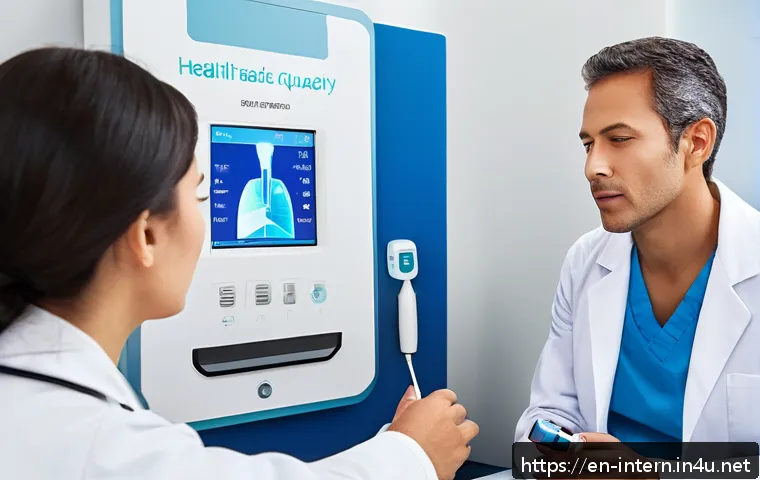
Breath tests have become a game changer when it comes to identifying problems like small intestinal bacterial overgrowth (SIBO) or lactose intolerance.
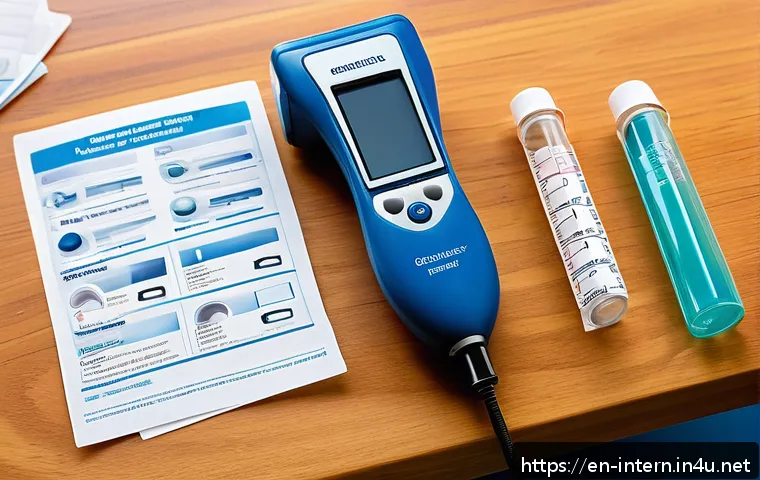
What’s fascinating is how simple and non-invasive these tests are. You basically breathe into a device, and the analysis measures specific gases such as hydrogen or methane.
Elevated levels of these gases can signal abnormal bacterial activity or issues with carbohydrate digestion. From my experience, patients appreciate that this method doesn’t involve uncomfortable procedures or lengthy preparation, making it easier to get a timely diagnosis and start appropriate treatment.
Types of Breath Tests and What They Reveal
There are several breath tests commonly used today, each targeting different digestive concerns. For instance, the lactulose breath test is often used to detect SIBO, while the lactose breath test helps pinpoint lactose intolerance.
Another less common but useful one is the fructose breath test, which checks for fructose malabsorption. I’ve noticed that doctors usually recommend these based on symptoms and medical history, which makes the testing process feel more personalized.
The turnaround time for results is generally quick, allowing for faster adjustments to diet or medications.
Limitations and What to Expect from Breath Testing
While breath tests are highly useful, they aren’t perfect. Factors like recent antibiotic use, diet, or even smoking can affect the results, sometimes leading to false positives or negatives.
It’s important to follow pre-test instructions carefully and discuss any medications with your healthcare provider beforehand. In my conversations with patients, I’ve found that understanding these nuances helps set realistic expectations and reduces anxiety about the testing process.
Overall, breath tests are a valuable tool but should be interpreted alongside clinical findings.
Endoscopy and Biopsy: Peering Directly Into Your Digestive Tract
What Happens During an Endoscopy Procedure?
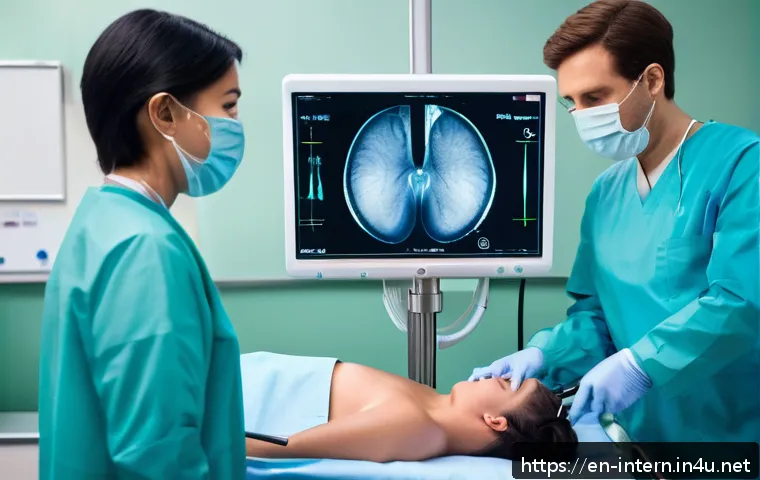
Endoscopy is often seen as the gold standard for diagnosing many digestive issues because it allows doctors to visually inspect the esophagus, stomach, and upper small intestine.
From my visits to clinics, I’ve observed that patients often feel nervous about the procedure, but knowing that it’s usually done with sedation helps ease those fears.
The endoscope—a thin, flexible tube with a camera—provides real-time images, helping identify inflammation, ulcers, or tumors that might be causing persistent indigestion.
The Added Value of Biopsy Samples
One of the biggest advantages of endoscopy is the ability to take biopsy samples during the procedure. These tiny tissue samples can reveal infections like Helicobacter pylori or detect precancerous changes.
I remember a patient who was relieved to learn that their biopsy ruled out cancer, which highlighted how crucial this step can be for peace of mind. Biopsy results take a few days, but they provide a deeper understanding that no imaging test can match.
Preparation and Aftercare Tips for Endoscopy
Preparing for an endoscopy typically involves fasting for several hours beforehand, which can be inconvenient but is necessary for a clear view. I always recommend patients arrange for someone to accompany them since sedation impairs driving and alertness.
Post-procedure, mild throat soreness or bloating is common but usually resolves quickly. I’ve found that clear communication about what to expect before and after the test dramatically improves patient comfort and satisfaction.
Advanced Imaging Techniques: Beyond the Basics
How Ultrasound and CT Scans Aid Diagnosis
Imaging technologies like ultrasound and CT scans provide valuable information about the structure and function of digestive organs. Ultrasound is particularly helpful in assessing gallbladder or liver conditions, while CT scans offer detailed cross-sectional views that can detect inflammation, masses, or blockages.
In my experience, these tests are often ordered when symptoms suggest complications beyond simple indigestion or when endoscopy results are inconclusive.
When MRI Becomes the Preferred Option
MRI scans, though less common for indigestion, shine in evaluating soft tissues and complex conditions such as pancreatic disorders. Unlike CT scans, MRIs don’t use radiation, which is a plus for repeated imaging.
I’ve noticed that patients with chronic digestive symptoms sometimes undergo MRI when other tests haven’t provided clear answers, highlighting its role as a problem-solving tool in complex cases.
Comparing Imaging Methods: What You Should Know
Choosing the right imaging test depends on the symptoms and clinical suspicion. Ultrasound is quick, affordable, and radiation-free but limited in depth.
CT scans offer comprehensive detail but expose patients to radiation. MRIs provide excellent soft tissue contrast but are costlier and less available.
Discussing these factors with your doctor can help tailor the diagnostic approach to your specific situation.
Laboratory Blood Tests: The Unsung Heroes of Diagnosis
Key Blood Markers Linked to Digestive Disorders
Blood tests play a subtle yet powerful role in the diagnostic puzzle. Markers such as complete blood count (CBC), liver enzymes, and inflammatory markers like C-reactive protein (CRP) can hint at infections, inflammation, or anemia related to digestive problems.
From what I’ve seen, these tests are often the first step and help decide whether more invasive procedures are needed.
Serology Tests for Identifying Food Sensitivities
Serology panels can detect antibodies related to celiac disease or food allergies, providing crucial clues for persistent indigestion triggered by diet.
Patients I’ve spoken with often feel empowered when they discover specific triggers, as it gives them a clear path to symptom relief through dietary changes.
Interpreting Blood Results in the Bigger Picture
Blood test results rarely provide a definitive diagnosis alone but are invaluable when combined with symptoms and other test findings. I’ve noticed that patients appreciate when doctors explain the meaning behind numbers and what the next steps are, reducing confusion and fostering trust.
Non-Invasive Stool Tests: Unlocking Gut Microbiome Secrets
What Stool Analysis Can Reveal About Your Digestive Health
Stool tests offer a window into the gut microbiome and can identify infections, inflammation, or malabsorption issues. These tests have evolved tremendously, now capable of detecting pathogens, parasites, and markers of inflammation like calprotectin.
I’ve found that stool testing is especially helpful for patients with chronic diarrhea or unexplained abdominal pain.
Using Stool Tests to Guide Treatment Choices
The information gained from stool analysis can guide targeted therapies, such as antibiotics for infections or probiotics to rebalance gut bacteria. Patients often report feeling hopeful when a clear treatment plan emerges from these results, as it moves them closer to symptom control.
Practical Considerations for Stool Sample Collection
Collecting stool samples can feel awkward for some, but clear instructions and proper collection kits make the process manageable. I always advise patients to follow the guidelines closely to avoid contamination, ensuring accurate results.
Comparing Diagnostic Methods: What Fits Your Situation?
When to Choose Each Test Based on Symptoms
Not all tests are suitable for every case of indigestion. For example, breath tests are ideal for suspected bacterial overgrowth, while endoscopy is necessary if alarm symptoms like bleeding occur.
Imaging might be reserved for structural concerns, and blood tests often serve as initial screening tools. Tailoring the diagnostic approach to your symptoms saves time and discomfort.
Balancing Accuracy, Cost, and Convenience
Cost and accessibility are real-world factors influencing test selection. Breath and blood tests tend to be more affordable and less invasive, whereas endoscopy and advanced imaging can be pricier and require more preparation.
From what I’ve seen, patients appreciate when doctors discuss these aspects openly, helping them make informed decisions.
Summary Table of Common Digestive Tests
| Test Type | Purpose | Invasiveness | Preparation Needed | Typical Time to Results |
|---|---|---|---|---|
| Breath Test | Detect SIBO, lactose/fructose intolerance | Non-invasive | Fasting, avoid certain meds | Same day to few days |
| Endoscopy with Biopsy | Visualize GI tract, detect infections or cancer | Invasive (sedation required) | Fasting 6-8 hours | Biopsy results take several days |
| Ultrasound/CT/MRI | Assess organ structure and abnormalities | Non-invasive | Varies (may need fasting or contrast) | Hours to days |
| Blood Tests | Identify inflammation, anemia, celiac disease | Minimally invasive (blood draw) | Usually none or fasting | Same day to few days |
| Stool Tests | Detect infections, inflammation, malabsorption | Non-invasive | Proper stool collection | Few days |
In Conclusion
Breath tests, endoscopy, imaging, blood, and stool analyses each play a vital role in uncovering digestive health issues. Understanding their unique strengths and limitations helps you and your healthcare provider make informed decisions. With the right approach, diagnosis becomes more accurate and treatment more effective, paving the way for better digestive wellness.
Helpful Information to Remember
1. Breath tests are simple, non-invasive, and great for detecting bacterial overgrowth and food intolerances.
2. Endoscopy provides direct visualization and biopsy options but requires preparation and sedation.
3. Imaging tests like ultrasound, CT, and MRI offer detailed views of organ structures but vary in cost and accessibility.
4. Blood tests give important clues about inflammation, infection, and nutritional deficiencies with minimal invasiveness.
5. Stool tests reveal gut microbiome health and help guide targeted treatments for infections or malabsorption.
Key Takeaways
Choosing the right diagnostic test depends on your symptoms, medical history, and the balance between accuracy, invasiveness, and cost. Always follow preparation instructions carefully to ensure reliable results. Discussing options openly with your healthcare provider empowers you to take control of your digestive health journey.
Frequently Asked Questions (FAQ) 📖
Q: What are the latest diagnostic tests available for persistent indigestion?
A: Recent advancements have introduced several innovative tests that provide deeper insights into digestive health. These include high-resolution manometry, which measures muscle contractions in the esophagus, and impedance pH monitoring that tracks acid and non-acid reflux episodes more accurately.
Additionally, breath tests can detect bacterial overgrowth or lactose intolerance, while advanced endoscopy techniques allow for detailed visualization of the digestive tract.
These tools help doctors identify the root cause of indigestion more precisely, paving the way for tailored treatment plans.
Q: How do these modern tests improve the diagnosis compared to traditional methods?
A: Traditional diagnostic methods often relied heavily on symptom descriptions and basic imaging, which sometimes led to vague or incomplete diagnoses. The newer tests offer objective, real-time data that pinpoint specific dysfunctions or abnormalities.
For example, instead of just knowing that reflux occurs, impedance pH monitoring quantifies the frequency and type of reflux, which can be crucial for deciding on the right therapy.
From my experience, patients feel more reassured when their diagnosis is backed by clear test results, leading to faster, more effective management of their symptoms.
Q: Should everyone with indigestion undergo these advanced tests?
A: Not necessarily. These tests are usually recommended for individuals whose symptoms persist despite standard treatments or when initial evaluations don’t clarify the cause.
For many, lifestyle changes and basic medications provide relief. However, if indigestion significantly impacts daily life or is accompanied by warning signs like weight loss or bleeding, consulting a specialist for advanced testing is wise.
Personally, I’ve seen how timely use of these diagnostics can prevent unnecessary treatments and help patients regain comfort sooner.