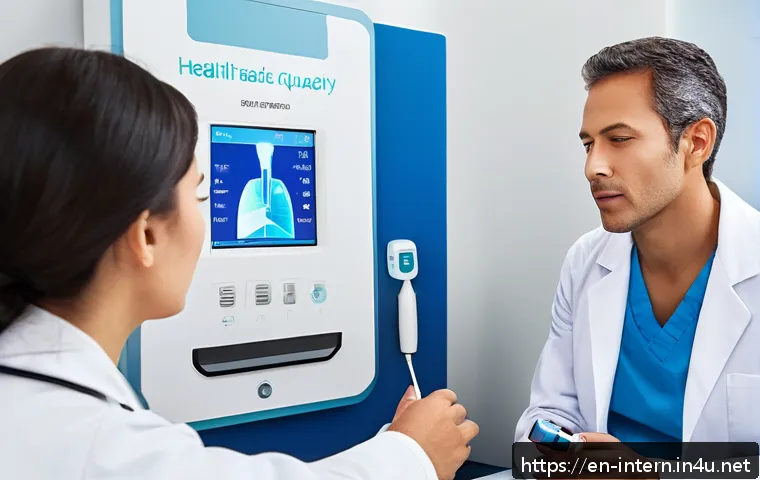
With health taking center stage in today’s fast-paced world, knowing which internal medicine screenings truly matter can feel overwhelming. Recent advances and updated guidelines have reshaped how we approach preventive care, making it crucial to prioritize the right tests.
Whether you’re aiming to catch hidden risks early or maintain your wellness journey, understanding these screenings is key. Let’s dive into the essential tests that can offer peace of mind and keep you on track for optimal health.
Stick around—this insight could change the way you view your next checkup.
Understanding Blood Tests: The Cornerstone of Internal Medicine Screenings
Why Blood Panels Are Your Health’s First Line of Defense
Blood tests are often the first step in uncovering potential health issues before symptoms even appear. From cholesterol levels to blood sugar, these panels provide a comprehensive snapshot of your body’s internal workings.
I remember during my last checkup, a simple lipid panel revealed my borderline cholesterol, prompting lifestyle tweaks that made a noticeable difference within months.
Blood tests are quick, minimally invasive, and can reveal hidden risks such as anemia, diabetes, or thyroid dysfunction, all of which can silently affect your wellbeing if left unchecked.
They truly are the foundation upon which many other diagnoses and treatments are built.
Common Blood Tests and What They Reveal
Not all blood tests are created equal, and knowing what each test screens for can save you from unnecessary anxiety or expense. A Complete Blood Count (CBC) measures red and white blood cells, pointing to infections, anemia, or immune issues.
The Comprehensive Metabolic Panel (CMP) looks at liver and kidney function, electrolyte balance, and blood glucose, crucial for detecting diabetes or organ stress early.
Lastly, lipid profiles assess your cardiovascular risk by measuring HDL, LDL, and triglycerides. When these numbers are out of range, it’s a wake-up call to adopt healthier habits or consider medication.
In my experience, discussing these results with my doctor helped me understand where I needed to focus my efforts.
Balancing Frequency and Necessity of Blood Testing
How often should you get these tests? It depends on your age, family history, and existing conditions. For instance, adults over 40 or those with a family history of heart disease should consider annual lipid panels.
If you’re younger and healthy, every 2-3 years might suffice. Over-testing can lead to unnecessary stress and follow-up procedures, so it’s vital to consult with your healthcare provider to tailor a screening schedule that fits your unique profile.
Personally, I’ve found that aligning tests with annual physicals keeps things manageable and meaningful, avoiding the overwhelm of too many appointments.
Imaging Screenings: When to Look Beyond the Surface
The Role of X-rays and Ultrasounds in Preventive Care
Imaging tests like X-rays and ultrasounds are invaluable for spotting structural issues that blood tests can’t catch. For example, ultrasounds can detect abdominal aortic aneurysms or gallstones, often before symptoms arise.
I recall a friend whose routine abdominal ultrasound uncovered a small kidney stone early, allowing for conservative management rather than emergency intervention.
X-rays, meanwhile, help diagnose lung conditions or bone fractures, especially important if you have risk factors like smoking or osteoporosis. These tools provide a visual confirmation that complements laboratory data, offering a fuller picture of your health.
CT and MRI Scans: Advanced Screening for High-Risk Patients
Computed Tomography (CT) and Magnetic Resonance Imaging (MRI) scans are more detailed and typically reserved for when there’s a clear indication or elevated risk.
For instance, low-dose CT scans have become standard for early lung cancer screening in long-term smokers. MRIs are preferred for soft tissue evaluation, such as detecting neurological or cardiovascular abnormalities.
While these scans provide critical insights, they come with considerations like radiation exposure (CT) and higher costs. I’ve witnessed how early detection via CT screening literally saved a family member’s life by catching lung cancer at a treatable stage, underscoring their potential value in targeted screening.
Deciding When Imaging Makes Sense
Routine imaging for everyone isn’t practical or necessary due to cost and potential risks. Instead, it’s best used selectively based on personal risk factors, symptoms, and family history.
Regular checkups often guide whether imaging is warranted. For example, a persistent cough in a smoker might prompt a chest X-ray or CT scan, whereas asymptomatic individuals without risk may not need such tests.
I recommend discussing your lifestyle and concerns with your doctor to avoid unnecessary procedures while ensuring that critical conditions are not missed.
Cardiovascular Screenings: Protecting Your Heart Health
Blood Pressure Monitoring: The Simple Yet Powerful Test
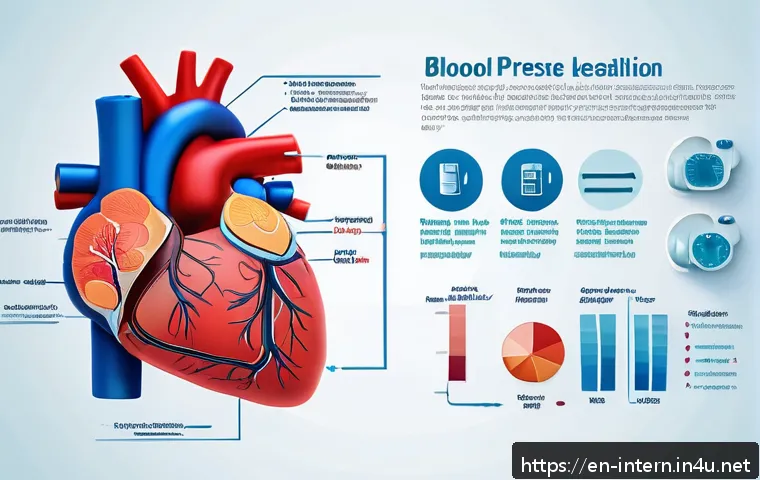
Blood pressure measurement is probably the most accessible and informative cardiovascular screening. High blood pressure, or hypertension, often shows no symptoms yet significantly raises the risk of heart attack and stroke.
I’ve personally experienced how regular home monitoring helped me catch rising blood pressure early, prompting lifestyle changes that prevented escalation.
This test is quick, painless, and can be done at home or in the clinic, making it a cornerstone of heart health maintenance.
Electrocardiograms (ECG) and Beyond
An ECG records the electrical activity of your heart and can detect arrhythmias, ischemia, or prior heart attacks. For those with risk factors such as diabetes, smoking, or family history of heart disease, ECGs are invaluable.
I recall my doctor ordering one after I reported occasional palpitations, leading to early diagnosis of atrial fibrillation and timely treatment. Other tests like stress tests or echocardiograms may be recommended based on ECG findings or symptoms, providing a deeper look at heart function and blood flow.
Cholesterol and Inflammation Markers
Beyond the traditional cholesterol panel, newer markers like hs-CRP (high sensitivity C-reactive protein) can indicate inflammation linked to heart disease risk.
These tests offer added precision in assessing cardiovascular risk, especially when cholesterol levels alone don’t tell the full story. My own lipid panel combined with hs-CRP helped tailor my preventive strategy, balancing diet, exercise, and medication to effectively reduce risk.
Diabetes Screening: Catching a Silent Epidemic Early
Understanding HbA1c and Fasting Glucose Tests
Diabetes can sneak up without obvious signs, making screening essential. The HbA1c test measures average blood sugar over the past three months, providing a reliable picture of glucose control.
Fasting glucose tests complement this by measuring current blood sugar levels after a period without food. I found that getting these tests annually helped me stay vigilant, especially with a family history of diabetes.

Early detection can prevent complications like neuropathy and kidney disease by enabling timely intervention.
Risk Factors That Should Prompt Early Screening
If you’re overweight, sedentary, or have a family history of diabetes, starting screening earlier than the general recommendation (usually age 45) is wise.
Gestational diabetes history or conditions like polycystic ovary syndrome (PCOS) also increase risk. I’ve seen friends with no symptoms diagnosed early due to proactive screening, which allowed them to reverse prediabetes through lifestyle changes alone—a powerful reminder of the value of early testing.
Continuous Monitoring and Lifestyle Adjustments
For those diagnosed with prediabetes or diabetes, ongoing monitoring is key. Regular HbA1c tests help track how well management strategies are working.
In my experience, pairing these tests with consultations on diet and exercise creates a feedback loop that motivates sustained behavior change. It’s not just about the numbers but how you respond to them that shapes long-term outcomes.
Screening for Kidney and Liver Health: The Unsung Guardians
Why Kidney Function Tests Matter
Kidneys quietly filter toxins from the blood, but damage often goes unnoticed until advanced. Tests like serum creatinine and estimated glomerular filtration rate (eGFR) measure kidney performance.
I learned from a routine check that my eGFR was borderline low, which led to better hydration and blood pressure control, staving off further decline.
Early detection here can prevent serious complications like kidney failure.
Assessing Liver Health Through Bloodwork
Liver enzymes such as ALT and AST indicate liver inflammation or damage, which can be caused by alcohol, medications, or infections like hepatitis. I once had mildly elevated liver enzymes, prompting lifestyle changes that normalized my results within months.
Since the liver has a remarkable ability to regenerate, catching problems early is crucial. These tests also screen for fatty liver disease, increasingly common due to obesity and sedentary habits.
How Often Should You Test Kidney and Liver Function?
Generally, these tests are recommended annually for people with risk factors like diabetes, hypertension, or heavy alcohol use. For healthy individuals, every 2-3 years might suffice.
The key is consistency and using results to guide lifestyle or medication adjustments. I find it reassuring that these simple tests offer a window into two vital organs that often get overlooked until problems become severe.
Putting It All Together: Choosing the Right Screenings for You
Personalizing Your Screening Plan Based on Risk
There’s no one-size-fits-all approach to internal medicine screenings. Your age, family history, lifestyle, and existing health conditions dictate which tests are essential.
For example, a smoker with a family history of heart disease might prioritize lung imaging and cardiovascular screenings, while a young, active person might focus on blood tests and diabetes screening.
I’ve learned that honest conversations with your doctor about your habits and concerns lead to a more effective and less stressful screening experience.
Screening Frequency and Cost Considerations
Balancing the benefits of early detection with cost and convenience is important. Some tests like blood pressure checks are inexpensive and easy, while imaging or advanced blood tests can be pricier and less accessible.
Insurance coverage varies, so knowing what’s included can save surprises. From personal experience, prioritizing tests based on clear risk factors and symptoms helps avoid unnecessary expenses while maintaining thorough care.
Summary Table of Common Internal Medicine Screenings
| Screening Test | Purpose | Recommended Frequency | Who Should Prioritize |
|---|---|---|---|
| Complete Blood Count (CBC) | Detects infections, anemia, immune status | Every 1-3 years | General population; more often if symptomatic |
| Lipid Panel | Assesses cardiovascular risk | Annually or every 2-3 years | Adults over 40, smokers, family history of heart disease |
| HbA1c | Monitors blood sugar control | Annually | Overweight, family history of diabetes, prediabetes |
| Blood Pressure | Detects hypertension | At every health visit | Everyone |
| Abdominal Ultrasound | Detects aneurysms, stones, organ abnormalities | As recommended based on risk | Smokers, older adults, family history of aneurysm |
| Kidney Function Tests (Creatinine, eGFR) | Assesses kidney health | Annually | Diabetics, hypertensive patients |
| Liver Enzymes (ALT, AST) | Detects liver inflammation/damage | Every 1-3 years | Alcohol users, those on certain medications |
In Conclusion
Regular internal medicine screenings play a vital role in maintaining your overall health by catching potential issues early. Blood tests, imaging, and cardiovascular evaluations each provide unique insights that guide preventive care and treatment. Tailoring these screenings to your personal risk factors ensures effective use of resources and peace of mind. Staying proactive with your health screenings empowers you to take control and make informed decisions for a healthier future.
Helpful Information to Remember
1. Blood tests can detect hidden conditions like anemia, diabetes, and cholesterol imbalances before symptoms appear, giving you a head start on prevention.
2. Imaging tests such as ultrasounds and X-rays are best used selectively based on personal risk to avoid unnecessary costs and exposure.
3. Regular blood pressure monitoring is simple but essential for preventing serious heart-related complications.
4. Early diabetes screening, especially if you have risk factors, can help prevent long-term health issues through timely intervention.
5. Kidney and liver function tests provide critical information about your body’s filtering and detoxifying systems, often overlooked until problems arise.
Key Takeaways
Understanding which screenings you need and how often to get them is fundamental for effective health management. Collaborate closely with your healthcare provider to develop a personalized plan that balances thoroughness with cost and convenience. Prioritize screenings based on your age, family history, and lifestyle to catch diseases early and maintain optimal health. Remember, the goal is not just testing but using the results to guide meaningful lifestyle changes and medical care.
Frequently Asked Questions (FAQ) 📖
Q: What are the most important internal medicine screenings I should prioritize?
A: The key screenings often include blood pressure checks, cholesterol tests, blood sugar monitoring, and cancer screenings like colonoscopy or mammograms, depending on your age and risk factors.
Personally, I found that starting with a comprehensive metabolic panel and lipid profile gave me a clear snapshot of my overall health. Your doctor can help tailor screenings based on your family history and lifestyle, which makes the process feel less overwhelming and more targeted.
Q: How frequently should I get these screenings done?
A: It really varies by the type of test and your individual risk. For example, blood pressure should be checked at least once a year if you’re healthy, but more often if you have hypertension.
Cholesterol and blood sugar tests are generally recommended every 4-6 years, or more frequently if you have risk factors like diabetes or heart disease.
From my experience, keeping a routine annual checkup helps catch issues early without feeling like a burden.
Q: Can these screenings actually prevent serious health problems?
A: Absolutely. Early detection through screenings can catch conditions like high blood pressure or diabetes before they cause damage, and cancer screenings can identify tumors at a treatable stage.
When I started regular screenings, I caught elevated cholesterol early and was able to adjust my diet and exercise, which made a huge difference. Preventive care empowers you to take control, reducing the chance of complications down the road.