Managing high blood pressure can often feel overwhelming, but small lifestyle changes can make a huge difference. From mindful eating habits to regular physical activity, adopting the right routines helps keep your numbers in check and boosts overall well-being.

It’s not just about medication—your daily choices play a crucial role in long-term heart health. Understanding what truly impacts your blood pressure empowers you to take control confidently.
Let’s dive deeper and explore practical tips that can transform your journey toward healthier living. Get ready to discover everything you need to know!
Understanding the Role of Diet in Blood Pressure Control
Choosing Heart-Healthy Foods
When it comes to managing blood pressure, what you eat plays a pivotal role. Incorporating foods rich in potassium, magnesium, and fiber can help balance your blood pressure naturally.
Think leafy greens, bananas, berries, and whole grains. I’ve personally found swapping out white bread for whole grain options made a noticeable difference in how I felt throughout the day.
It’s not about strict dieting but about making smarter, more consistent choices that nourish your body. Reducing processed foods and high-sodium items is essential, as excess salt causes water retention, which raises blood pressure.
The key is to create meals that are flavorful without relying on salt, using herbs and spices instead.
Mindful Eating Habits
Eating mindfully means paying close attention to your hunger cues and savoring every bite. This approach not only helps prevent overeating but also encourages better digestion and nutrient absorption.
I’ve noticed that when I slow down and focus on my meals, I feel more satisfied with smaller portions, which supports maintaining a healthy weight—another crucial factor for blood pressure control.
Avoiding distractions like TV or smartphones during meals can help you tune into your body’s needs, making it easier to avoid unnecessary snacking or binge eating.
Balancing Electrolytes for Optimal Health
Maintaining a healthy balance of electrolytes such as sodium, potassium, and calcium can stabilize blood pressure levels. Many people tend to consume too much sodium and too little potassium, which can lead to spikes in blood pressure.
Incorporating foods like sweet potatoes, avocados, and yogurt provides potassium and calcium that counteract sodium’s effects. I recommend tracking your intake for a week to see where you might be overdoing it with salt.
Small adjustments, like seasoning food with lemon juice or vinegar instead of salt, can have a surprisingly big impact over time.
Building Consistency with Physical Activity
Finding Activities You Enjoy
Physical activity doesn’t have to mean slogging away at the gym every day. The best exercise for blood pressure is the one you actually look forward to doing regularly.
For me, brisk walking and occasional cycling became enjoyable habits that didn’t feel like a chore. The important part is that your heart rate gets elevated enough to strengthen your cardiovascular system.
Aim for at least 150 minutes of moderate exercise per week, but even short bouts of movement throughout the day add up. Dancing, gardening, or swimming are all excellent options that combine fun and health benefits.
Incorporating Strength Training
While aerobic exercise is often emphasized, strength training plays a vital role in blood pressure management too. Building muscle helps improve your metabolism and insulin sensitivity, indirectly supporting heart health.
Lifting weights or using resistance bands twice a week can make a meaningful difference. I found that a simple routine at home, using bodyweight exercises like squats and push-ups, was enough to feel stronger and more energized.
Remember, consistency matters more than intensity at first. Gradually increasing the challenge keeps progress steady and sustainable.
Using Movement to Reduce Stress
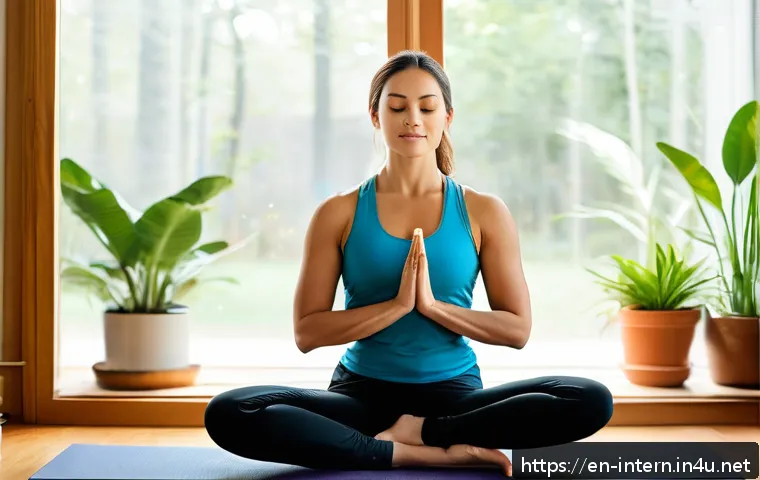
Exercise is a natural stress reliever, and since stress can elevate blood pressure, incorporating calming movement practices is doubly beneficial. Activities like yoga, tai chi, or even gentle stretching can help lower cortisol levels and promote relaxation.
I personally use deep breathing combined with slow stretches after work, which not only reduces tension but also improves my sleep quality. Prioritizing these moments of calm throughout your week can create a buffer against stress-related blood pressure spikes.
Managing Stress Through Simple Daily Practices
Breathing Techniques for Immediate Relief
One of the easiest tools to manage stress and lower blood pressure quickly is controlled breathing. Techniques like diaphragmatic breathing or the 4-7-8 method help activate your parasympathetic nervous system, calming your heart rate and blood vessels.
When I started practicing these for just a few minutes a day, I noticed a significant drop in my stress levels and even better blood pressure readings.
It’s a practice you can do anywhere—at work, in traffic, or before bed.
Creating a Relaxation Routine
Building a daily routine that includes relaxation can prevent stress from piling up. This might involve reading, listening to soothing music, or practicing mindfulness meditation.
I make it a point to disconnect from screens at least an hour before bedtime and spend that time journaling or sipping herbal tea. This habit helps me wind down and keeps stress hormones in check, which is crucial for stable blood pressure.
Recognizing and Managing Triggers
Everyone has unique stress triggers, whether it’s work pressure, family dynamics, or financial worries. Becoming aware of what specifically elevates your stress allows you to develop targeted coping strategies.
For instance, I realized that constant email notifications were a major source of anxiety, so I set specific times to check messages instead of reacting instantly.
Small adjustments like this can create big reductions in daily stress and contribute to better blood pressure control.
Optimizing Sleep for Heart Health
The Link Between Sleep and Blood Pressure
Poor sleep quality is a hidden contributor to high blood pressure. When you don’t get enough restorative sleep, your body produces more stress hormones, which constrict blood vessels and raise blood pressure.
I’ve personally struggled with irregular sleep patterns and found that prioritizing consistent bedtimes made a dramatic difference in how my blood pressure stabilized.
Sleep is not just rest; it’s a vital time for your cardiovascular system to reset.

Creating a Sleep-Friendly Environment
Simple changes in your bedroom can improve sleep quality. Keeping the room cool, dark, and quiet helps your body prepare for deep sleep cycles. I invested in blackout curtains and a white noise machine, which eliminated disruptions I didn’t even realize were affecting me.
Also, avoiding caffeine and heavy meals close to bedtime prevents sleep disturbances that can indirectly spike your blood pressure.
Establishing a Calming Pre-Sleep Routine
A relaxing routine before bed signals your brain to wind down. Activities like reading a book, gentle yoga, or a warm bath can reduce stress hormones and prepare your body for restful sleep.
I found that dimming lights and turning off screens an hour before bed made falling asleep easier and helped maintain steady blood pressure levels overnight.
Understanding Medication and Monitoring
Partnering with Your Healthcare Provider
Medication can be a necessary part of managing high blood pressure, but it’s most effective when combined with lifestyle changes. I’ve learned that openly communicating with my doctor about side effects or concerns leads to better treatment adjustments and overall outcomes.
Never hesitate to ask questions or seek clarification on how your medications work and what to expect.
Tracking Your Blood Pressure at Home
Regular monitoring at home helps you understand how your lifestyle affects your numbers in real-time. I use a digital blood pressure monitor and keep a log of readings, noting activities or meals that might influence the results.
This habit not only provides valuable data for my doctor but also motivates me to stick with healthy habits when I see progress reflected in the numbers.
Recognizing When to Seek Help
It’s important to know the warning signs that require immediate medical attention, such as sudden chest pain, severe headaches, or vision changes. I’ve kept a list of symptoms and emergency contacts handy, which provides peace of mind.
Managing blood pressure is a journey, and sometimes professional intervention is needed to prevent complications.
Crafting a Balanced Lifestyle Table for Blood Pressure
| Lifestyle Factor | Recommended Approach | Benefits | Personal Tip |
|---|---|---|---|
| Diet | Increase fruits, vegetables, whole grains; reduce salt and processed foods | Improves vascular health, lowers sodium-induced water retention | Use herbs and lemon juice for seasoning instead of salt |
| Physical Activity | 150 minutes moderate exercise weekly + strength training twice a week | Strengthens heart, lowers resting blood pressure | Choose fun activities to stay motivated consistently |
| Stress Management | Daily breathing exercises, mindfulness, relaxation routines | Lowers cortisol, prevents stress-induced blood pressure spikes | Practice 4-7-8 breathing anytime stress arises |
| Sleep | 7-9 hours of quality sleep; create calming environment | Reduces sympathetic nervous system activity, supports recovery | Turn off screens an hour before bedtime for better sleep |
| Medication & Monitoring | Follow prescriptions, track readings regularly | Ensures effective blood pressure control, early problem detection | Keep a journal to identify patterns and triggers |
Leveraging Social Support and Accountability
Building a Support Network
Managing high blood pressure can feel less daunting when you have people cheering you on. Sharing your goals with friends or family creates a sense of accountability and encouragement.
I joined a local walking group, which not only motivated me to stay active but also turned exercise into a social event. Having companions who understand your journey makes a huge difference in sticking with healthy habits.
Using Technology to Stay on Track
Apps and wearable devices can be powerful tools for monitoring your progress and reminding you to stay active or take medication. I use a smartphone app that tracks my steps and sends gentle nudges to move if I’ve been sedentary too long.
These small prompts help keep me engaged and mindful throughout the day, making it easier to maintain consistent blood pressure management.
Celebrating Small Wins
Recognizing and celebrating your progress, no matter how small, helps sustain motivation. Whether it’s a few points drop in your blood pressure reading or consistently choosing healthy snacks, these wins deserve acknowledgment.
I treat myself to a relaxing activity or a favorite healthy meal as a reward. This positive reinforcement transforms lifestyle changes from a burden into a rewarding journey.
Conclusion
Managing blood pressure is a holistic journey that blends mindful eating, consistent physical activity, stress management, quality sleep, and proper medication use. Small, sustainable changes can lead to meaningful improvements in heart health and overall well-being. Remember, the key is consistency and finding what works best for your lifestyle. Stay patient and committed, and your efforts will pay off over time.
Useful Information to Keep in Mind
1. Incorporating potassium-rich foods like bananas and leafy greens helps naturally balance blood pressure without relying on medication alone.
2. Regular physical activity doesn’t have to be intense; enjoyable exercises like walking or dancing can effectively lower blood pressure.
3. Practicing simple breathing techniques daily can reduce stress levels quickly, supporting better cardiovascular health.
4. Creating a calming sleep environment and routine plays a crucial role in stabilizing blood pressure overnight.
5. Tracking your blood pressure at home and communicating openly with your healthcare provider ensures personalized and effective management.
Key Takeaways
Consistent lifestyle habits have the greatest impact on blood pressure control. A balanced diet emphasizing whole foods, combined with enjoyable physical activity and stress reduction, forms the foundation of heart health. Quality sleep and mindful medication adherence further enhance these benefits. Building support systems and celebrating progress help maintain motivation on this ongoing journey. Ultimately, personalized approaches and steady commitment make lasting improvements achievable.
Frequently Asked Questions (FAQ) 📖
Q: What are the most effective lifestyle changes to lower high blood pressure without medication?
A: From my experience and what health experts consistently recommend, the most effective lifestyle changes include adopting a balanced diet rich in fruits, vegetables, and whole grains, reducing salt intake, engaging in regular physical activity like brisk walking or cycling for at least 30 minutes most days, managing stress through mindfulness or relaxation techniques, and limiting alcohol consumption.
These changes don’t just lower blood pressure temporarily—they improve your overall heart health and energy levels, making daily life feel more manageable and vibrant.
Q: How quickly can I expect to see improvements in my blood pressure after changing my lifestyle?
A: While individual results vary, many people notice measurable improvements within a few weeks of making consistent lifestyle adjustments. For example, I personally felt a difference in my energy and mood within the first two weeks of cutting back on sodium and adding daily walks.
Blood pressure readings often start to improve after about 4 to 6 weeks, but it’s important to maintain these habits long-term for sustained benefits.
Regular monitoring and working with your healthcare provider can help track your progress and keep you motivated.
Q: Can stress really affect my blood pressure, and what are some practical ways to manage it daily?
A: Absolutely, stress plays a significant role in raising blood pressure. When you’re stressed, your body releases hormones that temporarily increase your heart rate and constrict blood vessels.
Over time, this can lead to consistently higher blood pressure. From my own journey, incorporating simple stress-reduction practices like deep breathing exercises, short meditation sessions, or even taking a few minutes to step outside and enjoy nature has been a game changer.
Finding what relaxes you—whether it’s listening to music, journaling, or gentle yoga—and making it part of your routine can make a big difference in keeping your blood pressure in check.